Finding an old coin value app at the bottom of a drawer can spark anything from curiosity to a full-blown treasure hunt. Before you call a dealer or jump to auction, a few methodical steps will tell you whether you have a keepsake, bullion, or something far rarer. This guide walks you through identification, grading, research, and the smartest ways to sell or conserve your coins—no jargon-heavy detours, just clear, practical steps you can follow with a loupe, a scale, and your phone.
First step: Identify the coin
The most basic information—country, denomination, date, and mint mark—answers a surprising number of questions. Start by reading the legend and date on both sides. Mint marks are tiny letters (or symbols) that tell you where the coin was struck; they can mean ordinary production or extreme rarity depending on the year. If the date is worn off, compare the portrait, reverse design, and any remaining letters to images in reference guides or online databases.
Some coins look similar across countries and eras; details such as edge type (reeded, plain, lettered), size, and portrait style help confirm identification. Photograph the coin in good light from both sides. If you think the coin might be valuable, take high-resolution images showing any mint marks, die cracks, or unusual features—these will be useful for online research or when you consult a professional.
Tools you’ll want on hand
With a handful of inexpensive tools you can gather most of the crucial data yourself:
- 10x loupe for close inspection
- Digital calipers (mm) and a digital scale (grams/troy ounces)
- Small flashlight or angled lighting to reveal wear and die marks
- Magnet to detect modern ferrous metals
- Soft gloves and a clean surface to handle coins
- Reference book (like the Red Book for U.S. coins) or smartphone with internet
These tools let you tell silver from base metal, detect obvious counterfeits (magnetic behavior, incorrect size/weight), and examine surface details without risking damage.
How condition (grading) affects value
Condition is arguably the single strongest determinant of a coin’s value once you’ve established rarity and metal content. Two coins of the same year and mint can differ in value by orders of magnitude if one is uncirculated and the other is heavily worn. Grading is a nuanced art, but you can learn to separate the broad categories yourself.
| Grade | Short Description |
|---|---|
| Poor–Good (P–G) | Major details worn; date and legend may be partially visible |
| Very Good–Fine (VG–F) | Most major elements visible but flattened; moderate wear |
| Very Fine–Extremely Fine (VF–EF/XF) | Clear devices and legends; light to moderate wear on high points |
| About Uncirculated–Mint State (AU–MS) | Almost no wear to fully uncirculated surfaces; luster may remain |
Keep two cautions in mind: first, “cleaned” coins (those scrubbed or polished) often lose much of their market value even if they look brighter. Second, natural toning and light surface marks are preferable to aggressive cleaning—toning can even add appeal for some collectors. If a coin looks exceptionally attractive and you suspect high value, consider professional grading (PCGS, NGC) before selling; a certified grade can command higher prices but costs money to obtain.
Determine metal and bullion value
Once you know what metal the coin is, you can calculate its intrinsic (bullion) value. For precious-metal coins, numismatic premiums are added on top of the bullion price. To check bullion value:
- Weigh the coin precisely and note the gross weight.
- Determine its metal content (example: many pre-1965 U.S. dimes, quarters, and half dollars are 90% silver).
- Calculate the pure metal weight and multiply by the current spot price (from a reliable market source).
Example: a U.S. Morgan dollar weighs about 26.73 g and is 90% silver. Pure silver weight ≈ 24.06 g, which equals about 0.773 troy ounces. Multiply 0.773 by today’s silver spot price to get its bullion floor value. Rare dates or exceptional condition will often be worth far more than bullion, so treat this as the baseline, not the final word.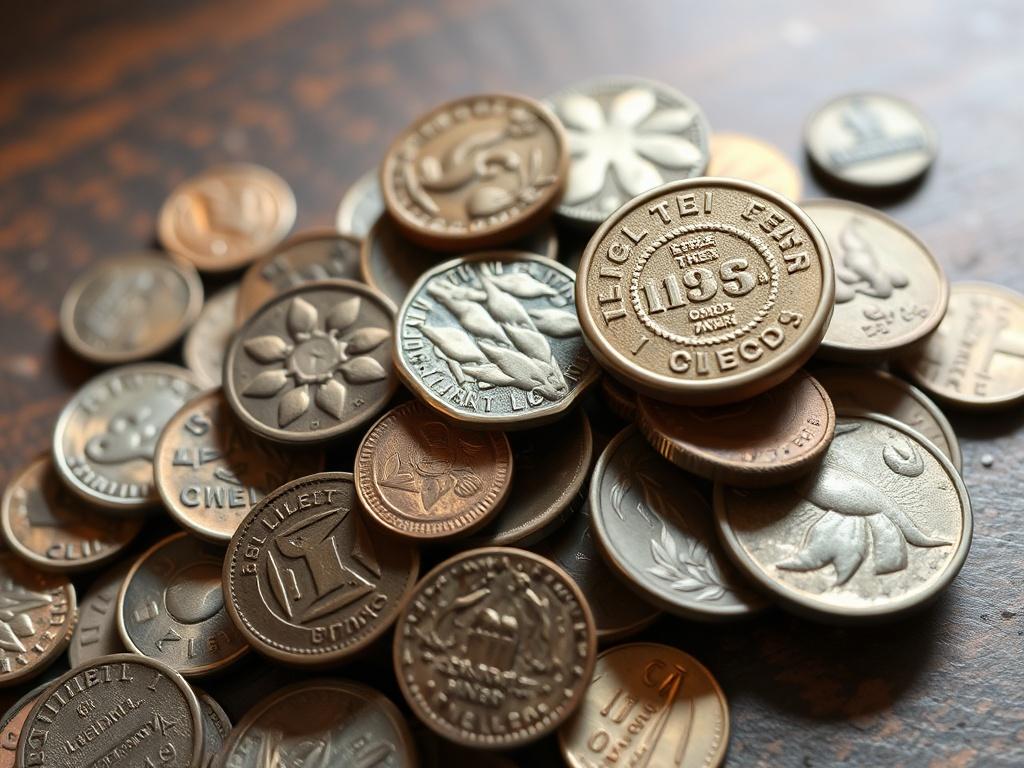
Research rarity, mintage, and market demand
Rarity isn’t just mintage number. Survival rates, historical hoards, and collector demand all affect value. A coin with a low original mintage might still be common if many survive; likewise a high-mintage coin struck in a single, scarce die variety can be highly sought after. Look for known rarities, error strikes, and variant design features listed in specialist catalogs and auction records.
Auction databases and sales archives are invaluable. Searching completed listings on major auction houses or eBay’s sold listings shows real-world prices, not theoretical guide values. For older coins, consult specialized books and online image archives that track die varieties and known counterfeits; die-study details can turn a modest coin into a valuable variety.
Where to look up prices and authentication
Start with free online tools, then move to paid or professional resources as needed. Useful places:
- PCGS and NGC price guides for certified examples
- Numista for world coins and community-sourced data
- CoinArchives, Heritage Auctions, and other auction databases for realized prices
- eBay completed listings to see what buyers actually paid
- The Red Book (A Guide Book of United States Coins) for U.S. collector prices
For authentication, major third-party grading services (PCGS, NGC, ANACS) provide both authentication and encapsulated grading. Local coin dealers can offer opinions, but always pair their assessment with independent research. If a coin might be worth several thousand dollars, a third-party opinion is often worth the fee.
When to consider professional grading
Professional grading makes the most sense when: the coin is potentially high value, there are contentious authenticity issues, or buyers in your market prefer certified pieces. Grading stabilizes the marketability and can significantly increase the price realized at auction for key dates in high grades. Remember that grading costs, turnaround times, and possible submission risks (loss, mishandling) should factor into your decision. For most common dates in low-to-mid grades, the added expense usually isn’t justified.
Practical selling and storage tips
Decide on your selling strategy by balancing speed, risk, and potential price. Quick sales through reputable local dealers trade convenience for a smaller payout. Auctions and specialist dealers can maximize price but involve fees and waiting. Online marketplaces reach many buyers—take crisp photos, disclose condition, and mention any provenance or prior grading.
Storage matters: handle coins by the edges, avoid plastic flips that off-gas, and use inert holders or archival-quality flips. Keep silver coins in low-humidity environments and consider silica gel packets. For long-term preservation of valuable coins, sealed holders from grading companies or inert coin capsules are best. Proper storage protects value and makes coins easier to sell later.
Common mistakes and how to avoid them
| Mistake | Why it harms value | How to avoid |
|---|---|---|
| Cleaning the coin | Removes original surface, reduces eye appeal and market trust | Never clean; if necessary, consult a conservator |
| Relying on one price guide | Prices vary by market and sold records | Cross-check multiple sources and recent auction results |
| Ignoring weight/size tests | Misses counterfeits and compositional differences | Use a scale and calipers on suspect coins |
| Skipping provenance or documentation | Makes unlocking top-market value harder | Keep receipts, prior appraisals, and seller notes |
Step-by-step quick checklist
- Photograph both sides of the coin in good light.
- Identify country, denomination, date, and mint mark.
- Inspect with a loupe and note wear, marks, and possible errors.
- Weigh and measure diameter; do a magnet test if suspect.
- Check metal content and calculate bullion floor value if applicable.
- Research guides, auction archives, and sold listings for similar coins.
- Decide if professional grading is warranted based on potential value.
- Choose a selling route (dealer, auction, online) and prepare honest listings.
- Store remaining coins properly to preserve value.
Conclusion
Checking the value of an old coin is detective work that rewards patience, a few simple tools, and good sources. Identify the coin, measure and inspect it carefully, and research both bullion and numismatic markets to see where it fits. Avoid cleaning, document what you have, and use professional services selectively when the potential reward justifies the cost. With a methodical approach you’ll separate the sentimental from the significant—and when you do find something rare, you’ll be ready to protect and realize its true worth.